
CREATINGOUR OWNLIVES.
A 501(c)(3) nonprofit educational organization connecting learning, professional practice and the ability to shape your own future.
The Institution
Talent is everywhere.
Preparation, access and ownership are not.
COOL means Creating Our Own Lives. We believe education should help people understand their choices, build useful work, protect what they create and create opportunities for others.
That requires knowledge of the world beyond the classroom—and people willing to bring what they have learned back into it.
Our story and founding principlesThe people behind the principles
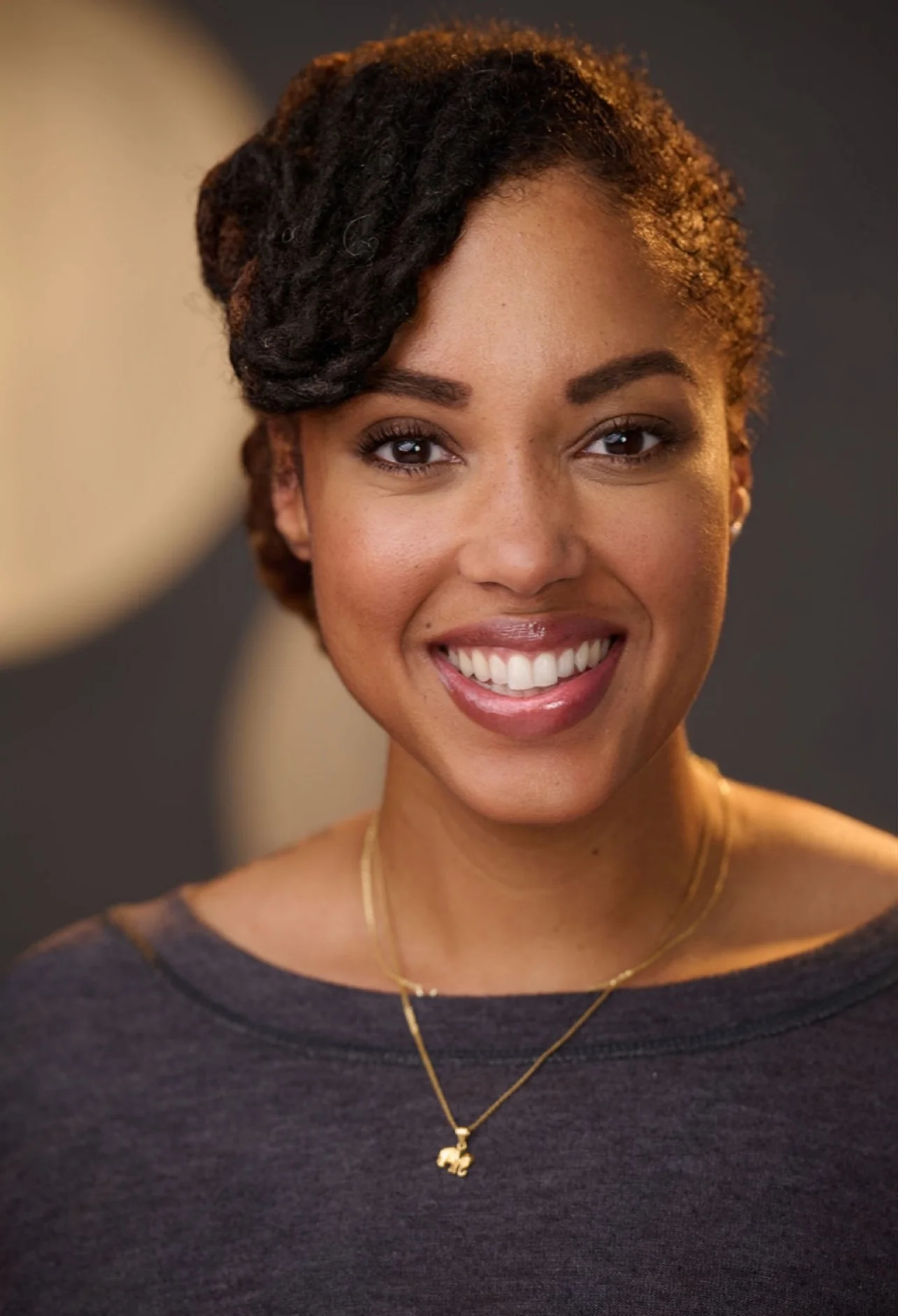
Knowledge lives in people.
Founding Senior Fellows bring the knowledge of working practitioners into the life of the Academy. Their fields of expertise help shape what the School can teach and develop.
Meet the Founding Nine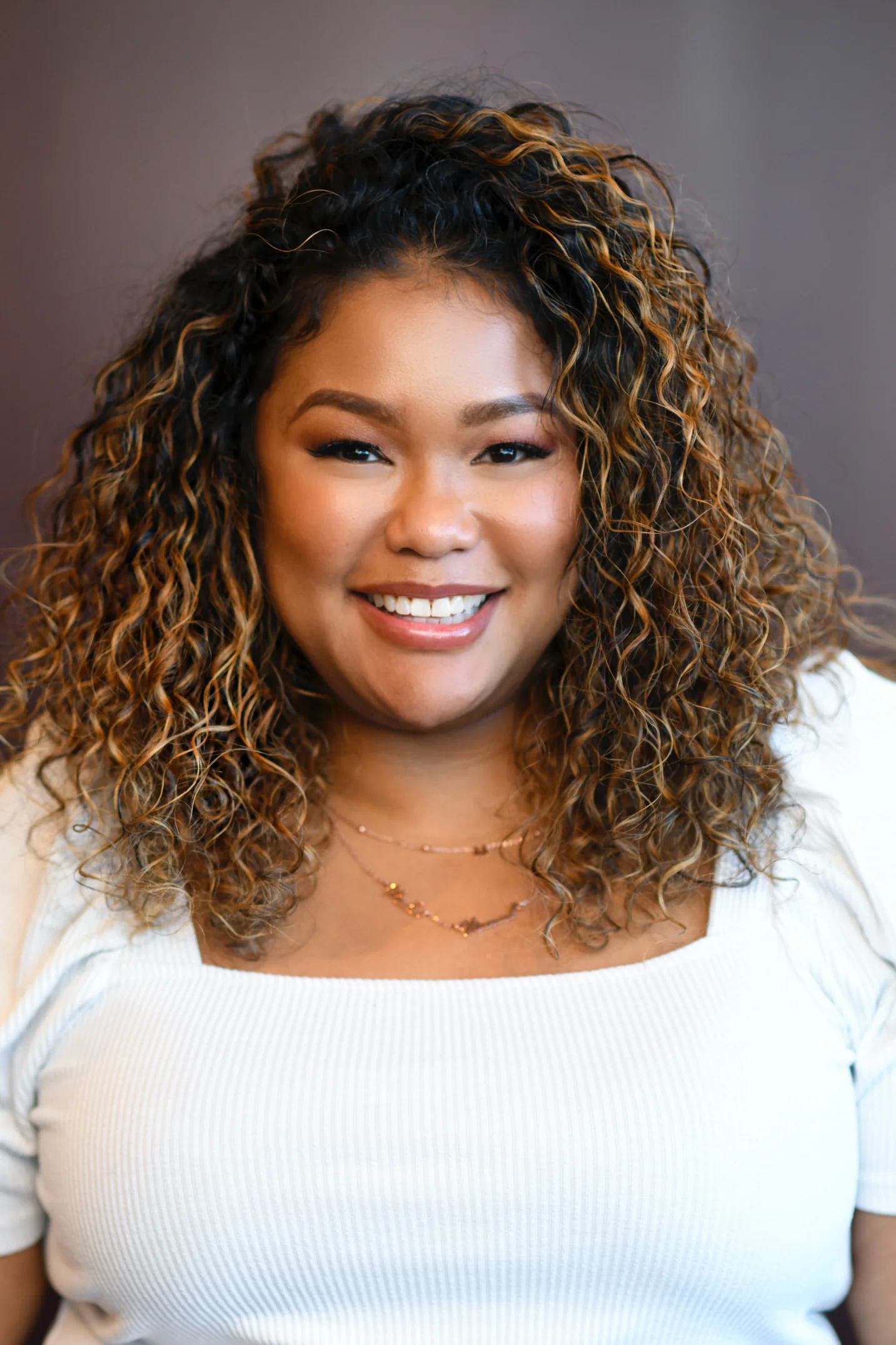


Our Philosophy
LEARN. PRACTICE.
BUILD. LAUNCH. RETURN.
Learn
Understand the craft, the tools and the conditions in which the work lives.
Practice
Apply knowledge with guidance, honest feedback and increasing responsibility.
Build
Create complete work you can stand behind.
Launch
Understand how work reaches the world and the decisions that shape its future.
Return
Bring knowledge back. Help the next person begin with more.
Our First School · In Development
School of
the Arts
Where creative education meets professional practice.
The School of the Arts is COOL ACADEMY’s first actively developing School. Working practitioners help shape how creative knowledge is taught, tested and carried forward.
Craft belongs alongside professional judgment, collaboration, rights literacy and the understanding of how a career is sustained.
Enter the School of the Arts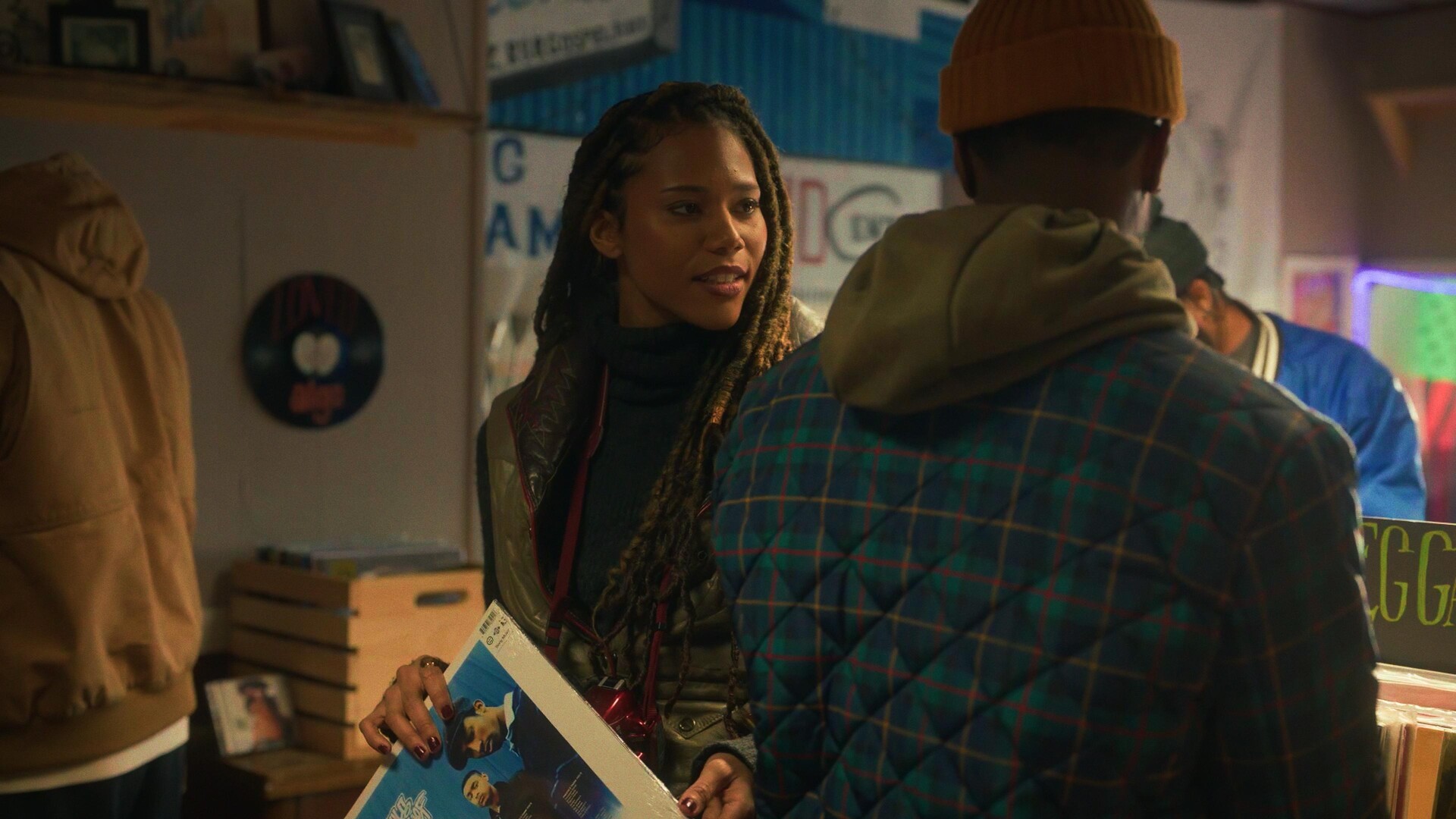

Founding Principles
Standards worth inheriting.
Preparation before access.
Opportunity matters most when people are ready to carry it responsibly.
Ownership matters.
Creative education should include rights, attribution and the decisions that shape long-term value.
Professional trust is learned.
Talent must be matched by communication, reliability, judgment and delivery.
Practice should be fair.
Learning through real work should never become disguised free labor.
Real work teaches differently.
Professional questions expose the distance between knowing something and being ready to use it.
Return.
Knowledge compounds when people who have learned come back and help the next person begin with more.